An educational exploration of plant-derived compounds and their biochemical properties in the context of physical lubrication and agility.
The human musculoskeletal framework operates through a complex interplay of structural components, biochemical signaling, and mechanical forces. This educational resource examines how naturally occurring botanical compounds have been studied in the context of supporting the body's inherent processes.
Physical agility and comfort in movement depend on numerous factors including tissue hydration, the presence of specific micronutrients, and the body's capacity to maintain structural integrity over time. Understanding these mechanisms from a scientific perspective provides valuable context for exploring how various natural substances interact with biological systems.
This compendium focuses exclusively on educational information and theoretical frameworks. It does not provide individualized guidance or suggest specific courses of action.
Curcumin (diferuloylmethane) represents a polyphenolic compound derived from Curcuma longa rhizomes. Its chemical structure consists of two ferulic acid residues connected by a methylene bridge. Scientific literature has documented its interaction with various cellular pathways, though mechanisms remain subjects of ongoing research.
Salicin, a glycoside found in willow bark (Salix alba), has been studied since the 19th century. Upon metabolic processing, salicin converts to salicylic acid through enzymatic hydrolysis. Historical texts from Central European herbology reference its traditional applications.
Flavonoids constitute a diverse family of plant secondary metabolites with varying structural configurations. Quercetin, rutin, and hesperidin represent commonly studied members of this category, each exhibiting distinct molecular characteristics.
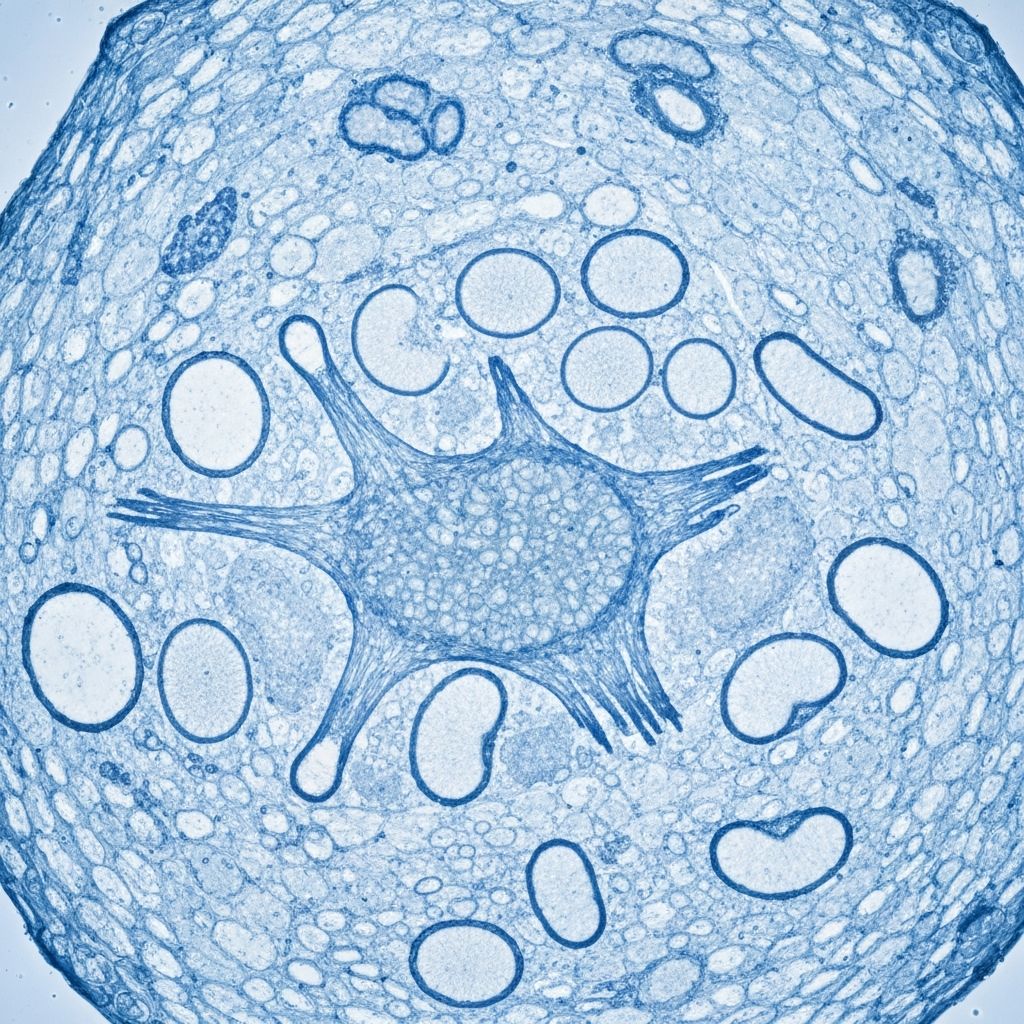
Connective tissues contain collagen, elastin, and proteoglycans that provide structural framework and mechanical properties. Collagen peptides, when studied in laboratory settings, demonstrate specific amino acid profiles including glycine, proline, and hydroxyproline.
The extracellular matrix maintains tissue architecture through complex cross-linking patterns. Glycosaminoglycans such as chondroitin and hyaluronic acid contribute to the viscoelastic properties of various biological structures.
Research into collagen biosynthesis has identified several co-factors including ascorbic acid (vitamin C), copper, and specific amino acids. These elements participate in enzymatic reactions during collagen formation, though individual responses vary widely based on numerous physiological variables.

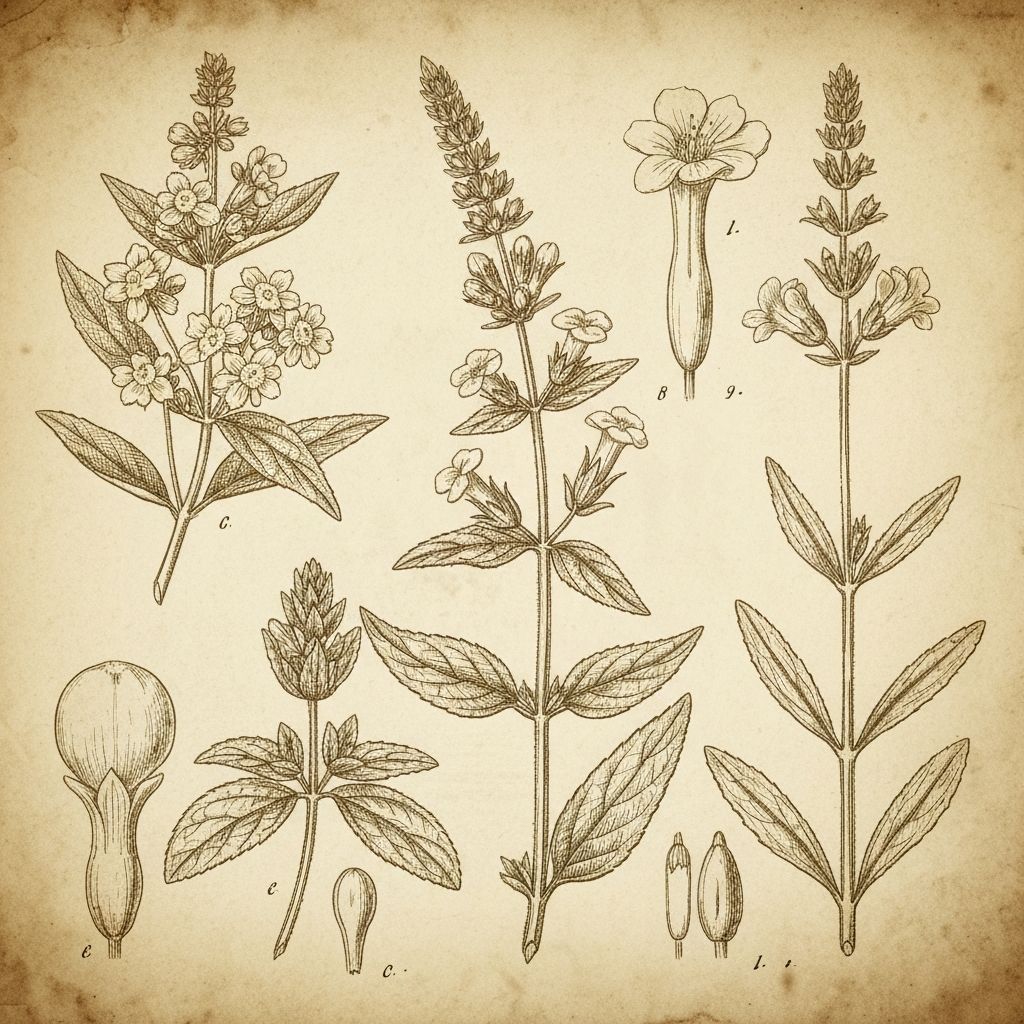
Central European botanical traditions document centuries of empirical observations regarding plant applications. Historical texts from the Bohemian region, including manuscripts from medieval monastic libraries, contain detailed descriptions of local flora and their traditional contexts.
The Czech lands possess rich biodiversity, with documented use of plants such as arnica (Arnica montana), comfrey (Symphytum officinale), and various species from the Salix genus. These references appear in ethnobotanical records as cultural and historical information.
It is important to note that historical usage does not constitute modern guidance. Contemporary understanding relies on controlled research methodologies rather than historical precedent alone.
Vitamin D functions as a steroid hormone precursor involved in calcium homeostasis. Its metabolic pathway includes conversion to 25-hydroxyvitamin D and subsequently to 1,25-dihydroxyvitamin D, the active form that interacts with nuclear receptors.
Eicosapentaenoic acid (EPA) and docosahexaenoic acid (DHA) represent long-chain polyunsaturated fatty acids found in marine sources and certain plant oils. Their structural incorporation into cell membranes has been subject to extensive biochemical investigation.
Manganese, zinc, and copper serve as cofactors in numerous enzymatic systems. Manganese, for instance, participates in glycosyltransferase activity related to proteoglycan synthesis. Zinc contributes to matrix metalloproteinase function, while copper is essential for lysyl oxidase activity in collagen cross-linking.
The chemical form of a compound significantly influences its absorption characteristics. For example, curcumin exhibits limited aqueous solubility, leading researchers to explore various formulation approaches including liposomal encapsulation and complexation with phospholipids.
Compounds exist within complex plant matrices that include fibers, lipids, and other phytochemicals. These surrounding components can influence the release and absorption of specific molecules during digestive processes.
Following absorption, botanical compounds undergo hepatic metabolism through Phase I and Phase II enzymatic systems. These transformations can alter molecular structure and biological activity in ways that vary among individuals.
Environmental factors including temperature, humidity, and altitude affect physiological parameters. The Czech Republic's temperate climate and varied topography create diverse environmental conditions that have influenced local lifestyle patterns.
Seasonal variations in sunlight exposure affect vitamin D synthesis in skin tissue. Northern latitudes experience greater seasonal fluctuation in ultraviolet B radiation, which has implications for population-level vitamin D status patterns.
Natural mineral water sources in the Czech lands, particularly in the Karlovy Vary region, contain varying concentrations of dissolved minerals. The mineral composition of water represents one of many environmental factors studied in relation to overall physiology.
Water comprises approximately 60% of adult body mass and plays essential roles in numerous physiological processes. Adequate fluid intake supports blood volume, temperature regulation, and nutrient transport.
Synovial fluid, the viscous substance found within certain anatomical structures, consists primarily of water along with hyaluronic acid and lubricin. Its rheological properties depend on proper hydration status among other factors.
Physical activity increases fluid requirements through perspiration and respiratory water loss. The relationship between hydration status and physical performance represents a well-documented area of exercise physiology, though individual needs vary considerably based on activity level, environmental conditions, and personal physiology.
The study of botanical compounds involves multiple scientific disciplines including phytochemistry, pharmacognosy, and molecular biology. Research methodologies range from in vitro cell culture studies to population-based observational research.
Standardization of plant extracts presents methodological challenges due to natural variation in phytochemical content. Factors such as growing conditions, harvest timing, and extraction methods influence final product composition.
Scientific investigation continues to explore mechanisms by which various plant-derived molecules interact with biological systems. This ongoing research contributes to the broader understanding of plant biochemistry and its relationship to human physiology.
It remains important to distinguish between controlled research contexts and real-world applications. Scientific findings require careful interpretation within appropriate methodological limitations.
Informational Nature: This resource provides educational information about botanical compounds and micronutrients from a scientific and historical perspective. It does not constitute individualized guidance.
No Personal Recommendations: Content presented here describes general scientific concepts and should not be interpreted as suggestions for specific actions or choices.
Diversity of Approaches: Individuals employ various approaches to supporting their wellbeing. This compendium explores one area of scientific inquiry among many possible perspectives.
Professional Consultation: Decisions regarding personal health should be made in consultation with qualified professionals who can assess individual circumstances.
This compendium has explored various aspects of botanical compounds and micronutrients from an educational standpoint. Key areas covered include:
The information presented serves educational purposes, contributing to broader understanding of plant biochemistry and human physiology. Ongoing scientific research continues to expand knowledge in these areas.
This website serves as an educational compendium providing scientific information about botanical compounds and micronutrients. It is designed to enhance understanding of plant biochemistry and related physiological concepts.
No. This resource presents general educational information and does not offer individualized guidance or suggestions. All content is informational in nature.
NaturalGlide operates as an independent educational initiative based in the Czech Republic, dedicated to making scientific information about botanical agents accessible to interested readers.
This resource is educational only. Personal decisions should be made in consultation with qualified professionals who can evaluate individual circumstances and needs.
Content is based on available scientific literature and historical documentation. However, scientific understanding evolves continuously, and information should be viewed within the context of ongoing research.
Plant-derived substances have been subjects of scientific investigation for centuries. This compendium explores their biochemical properties and historical context as a matter of educational interest.
Continue your educational journey by exploring more detailed scientific contexts and historical perspectives.
Access Information View AnalysisFor inquiries regarding this educational resource, you may reach us through the following channels:
NaturalGlide
Křižíkova 148/34
186 00 Praha 8-Karlín
Czechia
Phone: +420 221 411 950
Email: [email protected]